
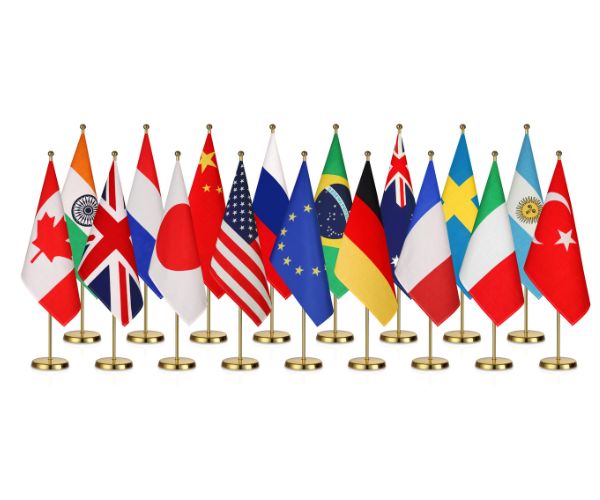
In the US, we are making a big-old-deal about our 250th Birthday. But we are not the only ones with meaningful/ridiculous Independence Day traditions. And we are by far, not the oldest.
So let’s take a quick tour of what’s going on at other countries’ birthday bashes.
India
Independence Day falls on August 15, marking the end of British rule in 1947. There are flag ceremonies, patriotic speeches, and bring-a-tear-to-your-eye songs. I wonder who the Indian Lee Greenwood is.
One of the most colorful traditions is kite flying, which turns rooftops into a noisy airborne competition that looks equal parts celebration and controlled chaos.
If you are planning your own Indian Independence Day celebration, serve sweets such as jalebi, ladoo, and other festive treats that feel as bright as the tricolor flag.
Mexico
No, it’s NOT Cinco de Mayo! That’s just us usurping another country’s history as an excuse to take tequila shots.
Real Independence Day in Mexico is on September 16, remembering the Grito de Dolores, the call to revolt issued by Miguel Hidalgo in 1810. The night before, crowds gather in plazas and on balconies to shout “¡Viva México!”
For the real deal, go past the Velveeta Rotel queso dip and try your hand at chiles en nogada, tamales, pozole, and a wide spread of antojitos.
France
Bastille Day on July 14 marks the storming of the Bastille in 1789, a turning point in the French Revolution. The holiday features military parades, fireworks, and public events that manage to feel both patriotic and stylish. Only the French.
A quirky tradition adds local charm: firefighters often host lively “firemen’s balls,” where dancing takes place in places normally reserved for hoses and heroics. I’m sure this is VERY popular with the young single ladies.
As expected, baguettes, cheese, pastries, charcuterie, and picnic spreads are the order of the day. Who wants to cook in the sweltering July heat?
Indonesia
Indonesia celebrates its independence on August 17, honoring the 1945 declaration that eventually led to formal recognition after years of struggle.
One of the most unusual traditions is panjat pinang, a greasy pole-climbing contest in which teams scramble to reach prizes at the top. It looks like a game show stunt crossed with slapstick comedy, but it symbolizes effort, teamwork, and determination.
The holiday meal often includes nasi tumpeng, a cone-shaped rice dish served with side dishes and meant to represent gratitude and unity. It is one of the few celebratory foods that looks ceremonial before anyone has even taken the lid off.
There you have it. If you are looking to surprise your guests with more than hot dogs and sparklers for your Fourth of July celebration, consider adopting some international flair into the day. Grease that pole, invite your local fire department, and break out the pozole.
Enjoy your holiday!