
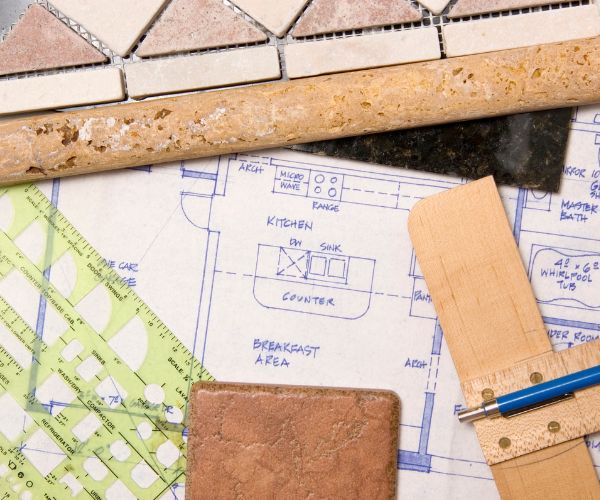
A very common topic with my financial planning clients is how to pay for a big home renovation. Whether it’s finishing a basement, relandscaping, or adding a second floor, home improvement is a big wish for many people.
And then the quotes start rolling in. Sticker shock often has homeowners saying, “Is the brown shag carpet really so bad?” Yes. It is.
I may be one of the rare financial planners who pushes my clients to go ahead with renovations. And, take a responsible loan to get it going. Why? A few reasons:
- It may be cheaper to make your current home work than to sell it and buy something new. Especially if you love your neighborhood.
- I hate to see people remodel a house just before moving so it looks nice for sale. Wouldn’t it have been better to enjoy the renovation yourself for a few years?
- The longer you wait, the higher the materials and labor costs will be.
That said, how does a person finance a several-hundred-thousand-dollar reno? Save up for the next 40 years? Here are some options to consider.
Home equity loan
This is a second mortgage that gives you a lump sum at a fixed interest rate. It works well for a large project with a defined budget, because your monthly payment stays predictable. The tradeoff is that your home is collateral, so missed payments can put the property at risk.
HELOC
HELOC, aka home equity line of credit. This works like a credit card secured by your home, letting you borrow as needed during the draw period. It is useful for projects done in phases or when costs are uncertain. The downside is that many HELOCs have variable rates, so payments can rise over time.
Cash-out refinance
This replaces your current mortgage with a larger one and gives you the difference in cash. It can be attractive if mortgage rates are favorable or you want one monthly payment instead of a second loan. The drawback is that you are resetting your mortgage, often with closing costs and a longer repayment horizon.
FHA 203(k) or similar renovation loan
These are designed for buying or refinancing a home while bundling renovation costs into one mortgage. They can be helpful if the home needs significant repairs and you want lower down payment requirements. The cons are more paperwork, contractor rules, and restrictions on eligible projects.
Personal loan or credit card
These are unsecured options that do not require home equity. They can be fast and simple for smaller projects, but rates are usually higher than home-secured borrowing, especially for credit cards. Be careful with credit card interest here.
401(k) loan
This is not my favorite (on principle, I don’t like the idea of robbing your retirement for a new primary bathroom), but if you get into a pickle, it’s an option.
A 401(k) loan lets you borrow from your retirement account and repay yourself, usually through payroll deductions. It can be quick, may not require a credit check, and the interest goes back into your account.
The downside is that you reduce your invested balance, and if you leave your job or cannot repay, the loan can become taxable and potentially penalized.
A 401(k) loan may be worth considering only when you have a short repayment horizon and no cheaper borrowing option. For many people, it should be a backup choice rather than the first one, because the retirement tradeoff can be costly.
The main advantage of renovation financing is that it lets you improve the home now instead of waiting years to save the full amount.
The biggest risks are overborrowing, higher long-term interest costs, and the possibility of losing the home if you use secured debt and fall behind.
A smart rule is to compare total interest, closing costs, repayment rules, and monthly payments before choosing. For many homeowners, the best loan is the one that fits both the project timeline and the household budget.