
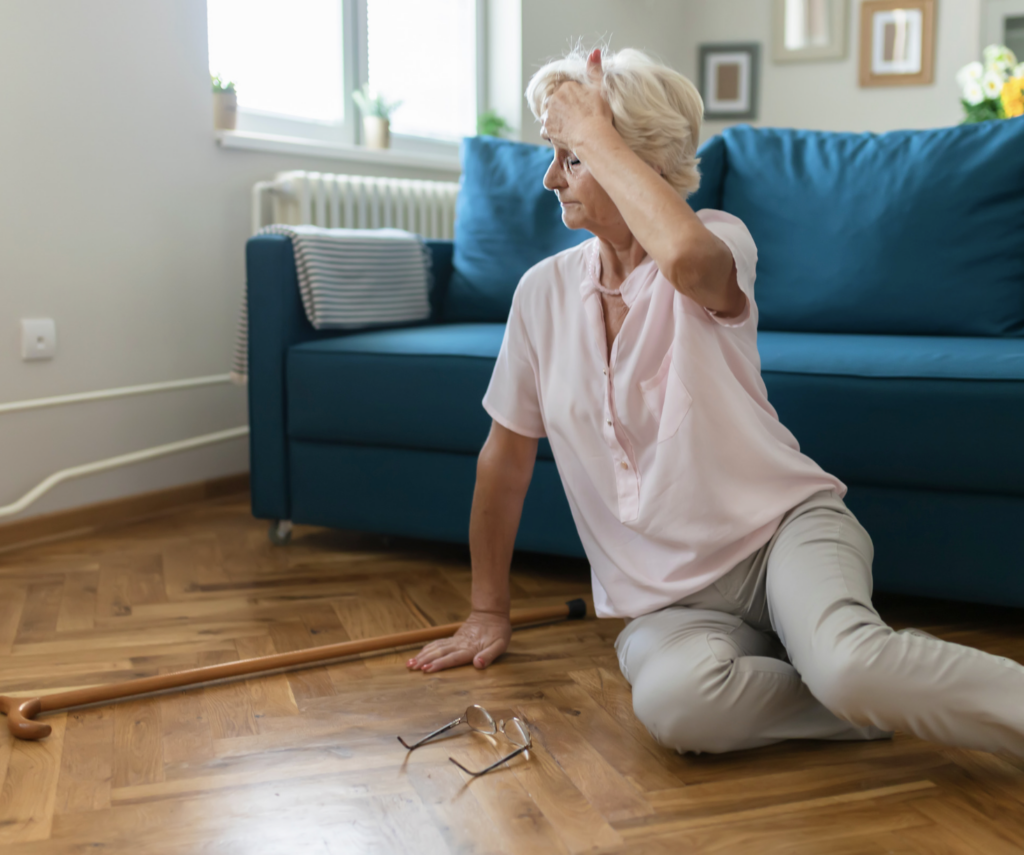
It may sound like something out of Ocean’s 12, but motion detection technology is becoming a quiet safety net for older adults who want to age in place, especially those living alone. These systems use discreet sensors to learn daily patterns and flag changes that might signal a fall, illness, or confusion, allowing families or care teams to intervene faster.
How common is it?
Research on “passive” in‑home sensors shows strong interest but relatively low adoption so far: about 60% of older adults are aware of in-home sensors, yet fewer than 5% actually use them at home. Awareness is growing as health systems and senior communities pilot sensor-based monitoring and demonstrate fewer emergency visits and hospitalizations compared with similar seniors without sensors.
Leading brands and products
Several companies now package motion and presence sensors specifically for senior monitoring:
- Caregiver Smart Solutions (CORE Monitoring Kit with motion and door sensors plus caregiver app).
- Medical alert brands such as Medical Guardian that bundle traditional help buttons with automatic fall detection and home monitoring.
- Smart home players like Aqara, whose Presence Sensor FP2 uses radar to detect presence and falls without cameras.
- Mainstream security systems like ADT or SimpliSafe, which can be configured with motion sensors and professional monitoring for seniors.
Costs and effectiveness
Costs typically fall into two buckets:
- Sensor-based home kits: often a few hundred dollars upfront for equipment (for example, home security packages starting around 250 dollars) with optional monitoring fees.
- Medical alert systems with fall detection: usually 20–34 dollars per month for base service plus about 10 dollars extra for automatic fall detection.
Clinical and real-world studies suggest these technologies can be highly effective complements to human care.
Passive sensors have accurately captured mobility patterns and functional decline, while fall-detection devices have achieved success rates above 94% for identifying common types of falls and have been linked to faster responses and fewer hospital admissions.
For families, that can translate into earlier interventions, more independence for the senior, and greater peace of mind—without cameras watching every move.